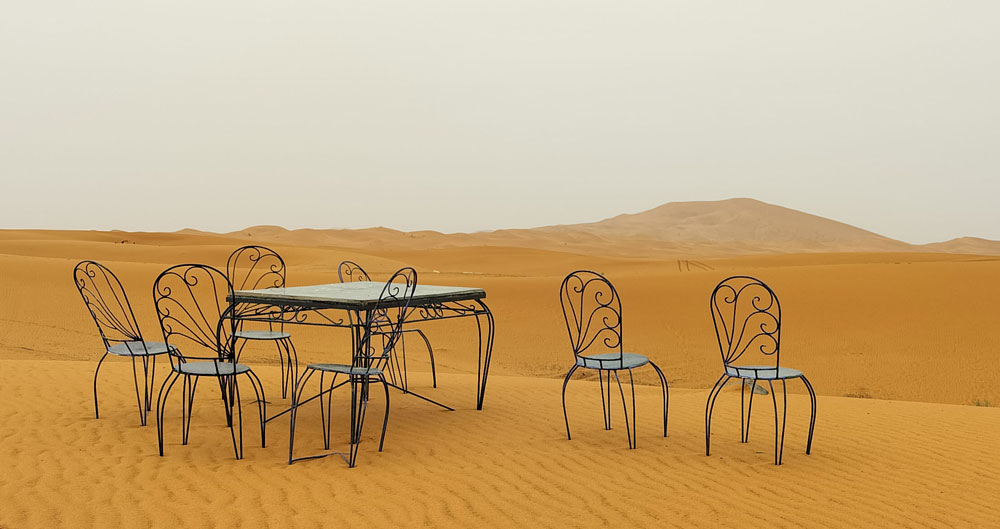
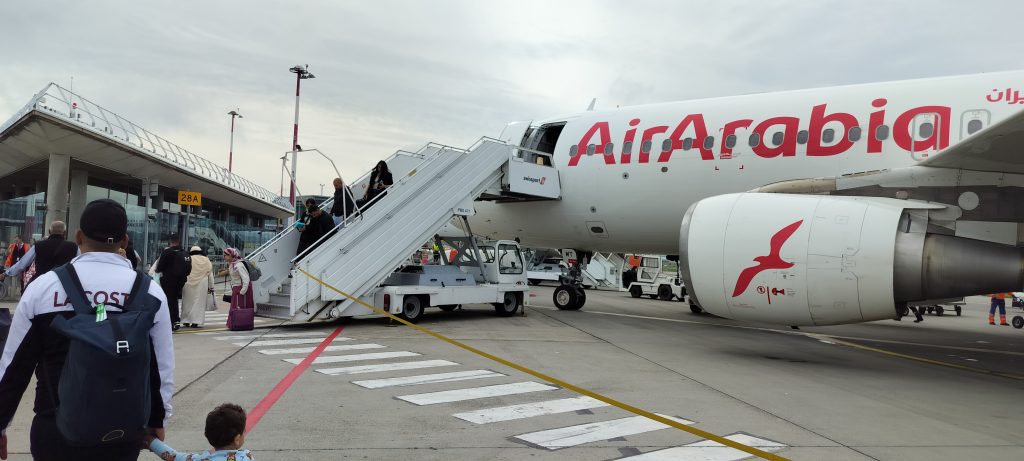
On September 1, 2025, Laura and I took an Air Arabia flight from Basel/Mulhouse airport to Casablanca, Morocco. From Casa, we drove to Rabat, Tangier, Volubilis and Fes. Then we drove across the Atlas mountains to the desert town of Merzouga where we rode on camels to a camp in the Erg Chebbi in the Sahara desert. After 2 nights in the desert, we drove back across the mountains to Casablanca, where we boarded an early morning flight on Sept. 10 back to Basel.
Read more: Our Moroccan Journey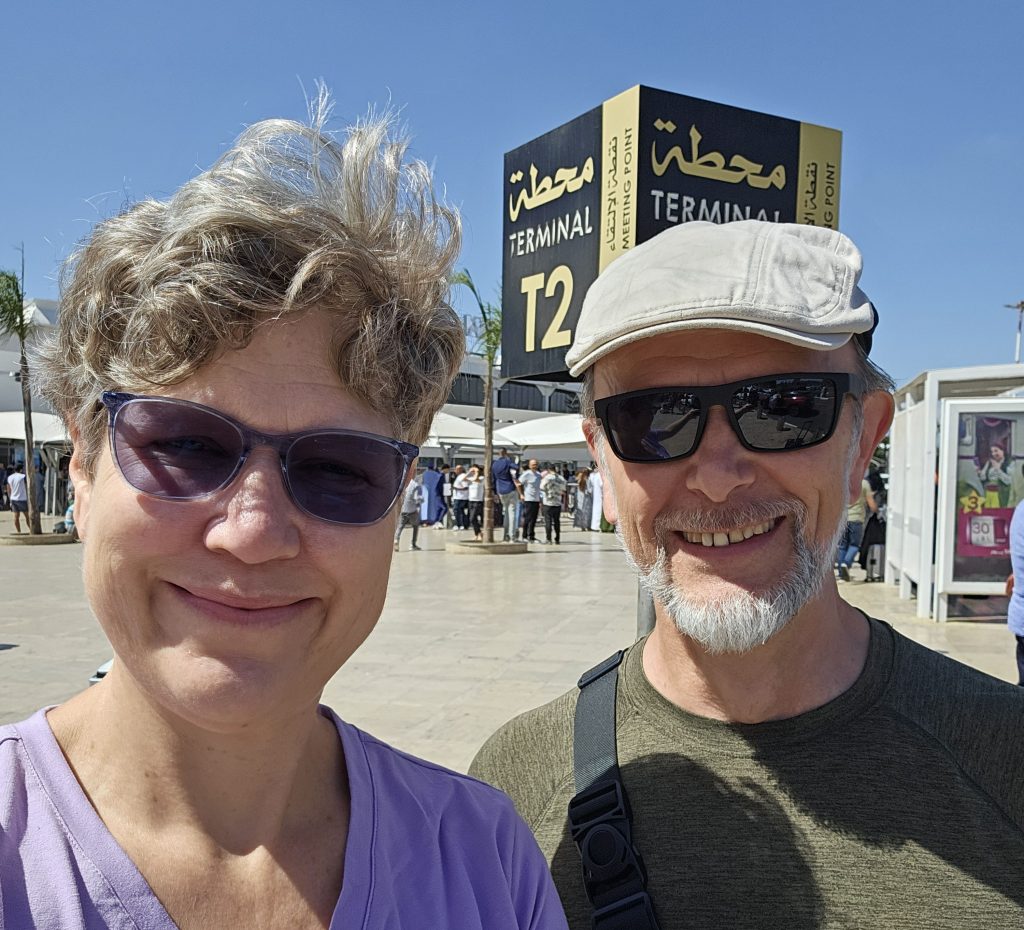
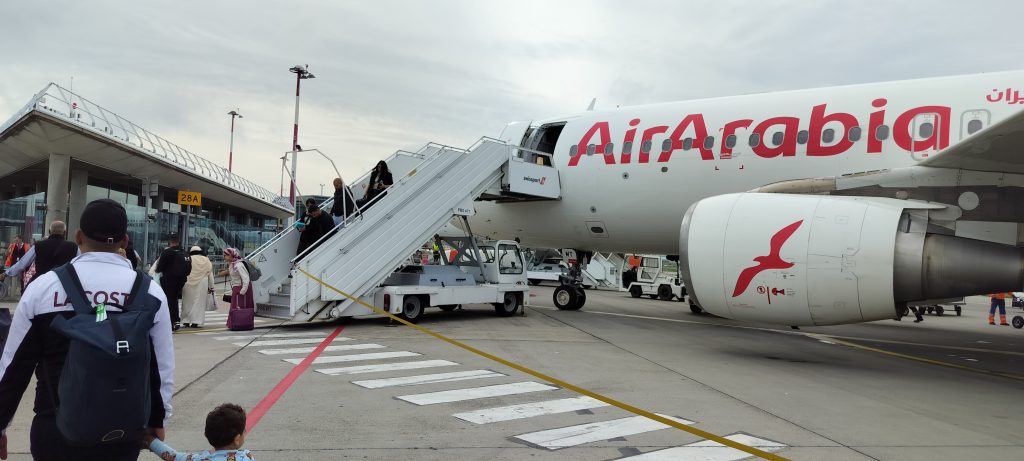
Our experience with Air Arabia was pretty good. On our simple 3-hour hop from Basel to Casa they were on time and got us and our baggage to our destination with no fuss. On our return flight, the 7 AM departure time in Casa was a bit rough, and boy … that airport is BUSY and CHAOTIC in the morning. And yet, despite the chaos and long waits, we took off almost on time and arrived on time in Basel.
The Casablanca Mohammed V airport was no problem, even Moroccan immigration – despite their fierce reputation – gave us no difficulties. The airport is small enough that navigating the facility is no problem. In front of the main building, there are several lanes of traffic for picking up arrivals. The vehicle admission is free for a limited time (I think 10 Minutes) so the drivers are keen to move along.
The rental car shuttle picked us up at the airport, and took us to the off-site rental car location. There are car rentals directly at the airport, but the best deal I found was through Enterprise, and their location is a 10-minute drive away from the airport.
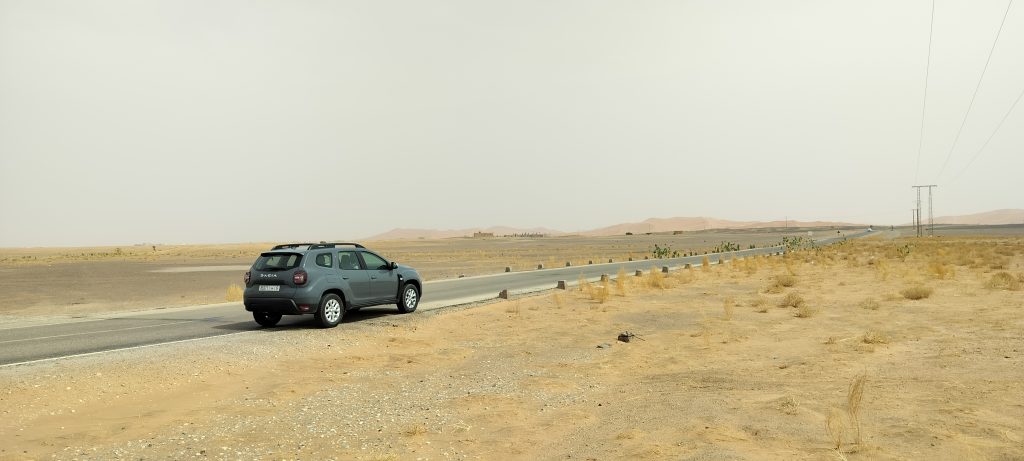
We checked out or Dacia Duster and drove off. Traffic was intense and chaotic, but with me driving and Laura navigating it was manageable. We drove into a neighborhood to get some cash from an ATM. When we crossed the intersection in front of the bank, a motorcycle smashed into the car! He hit the driver side rear pretty hard. We had a green light and the rider never disputed that we did. But we had to stay in the busy intersection for almost 3 hours waiting for the Gendarmerie and trying to figure out how to notify the rental-car insurance. Madness!
Eventually the gendarmes arrived and documented the accident, took statements from witnesses, and then asked us to follow them to the station. There, they took our statements and copied my passport and driver license and then after an hour we were free to go. We went back to the rental place and showed them the damage. The mechanic and the staff there told us the car would be OK to drive, so off we drove.
By the time we finally got some cash out of the ATM and were ready to head to Rabat, it was getting dark, and Google Maps was guiding us the absolutely shortest route to the big highway that connects Casa with Rabat – through neighborhoods (some a bit sketchy looking) on unpaved back roads at times right through throngs of motos and past kids playing in the street.
Not driving in the dark is a pretty solid rule for most places in Africa. Morocco is no exception. There are plenty of vehicles with bad or no lights, donkeys and horses in the road and people can pop out of nowhere right in front of your car. So don’t do it! And yet, here we were hitting the toll-road to Rabat in the dark. At least there are no horse cart or pedestrians on this road, but still … boy oh boy, slow, overloaded trucks appear out of nowhere coughing along as you cruise along at 60-70 mph. And then as you’re passing a slow-moving, dimly lit truck, a BMW rocks up behind you flashing their lights at you so they can continue hurtling down the highway at 120mph! Good times!
But we made it to Rabat, and the traffic in Rabat was much more disciplined than in Casa (and there were many more police in the streets, too). Since it was so late, we actually got lucky and found free street parking just a 5-min walk from the riad. we checked in – exhausted – and were greeted with a nice cup of Moroccan Thé à la Menthe.
That was our first (half) day in Morocco. The adventure had begun. And we were shattered!
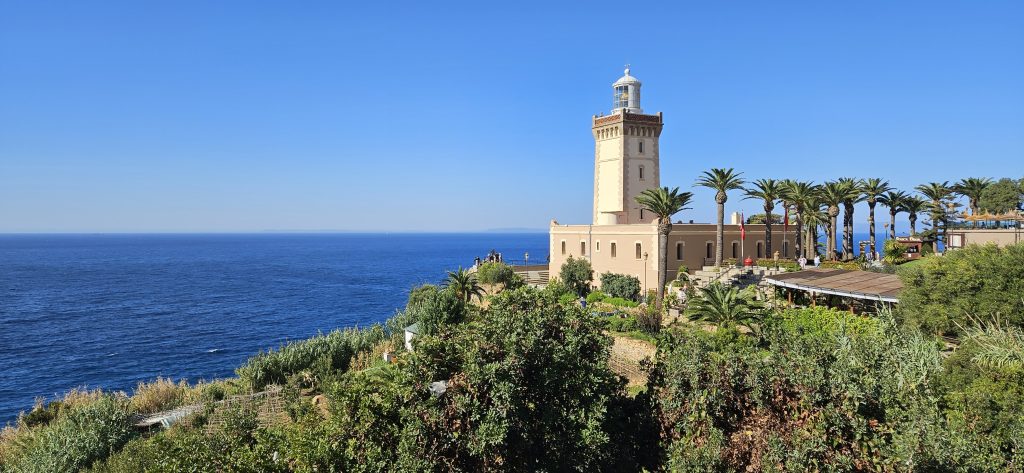
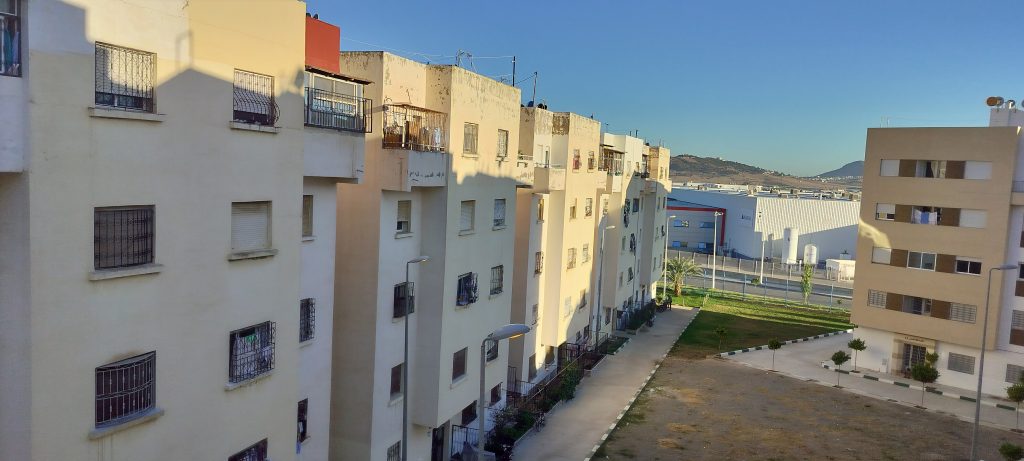
The next day – Tuesday – we continued on the coastal toll-road towards Tangier, where we checked into a rental apartment in a new neighborhood near the airport. Quite a change in scenery from the cute riad in Rabat, but the location helped us avoid having to brave the traffic of downtown Tangier. We had plans to head into Tangier later in the day, but ended up spending the evening at Cap Spartel.
The next morning (Wednesday) we went to see the Roman ruins at Volubilis near Meknes. The 3 1/2 hr drive took us southwards and inland and it got noticeably hotter. The archeological site was surprisingly quiet – no tour busses, just a few tourists in rentals or taxis. We hired one of the guides for a 45 min tour. It was too hot for anything longer. He showed us the key sites and explained some of the details of the mosaics and took a couple of pics of Laura and me. No big deal, and a pleasant conversation about the history of Morocco.
After a lunch and a cup of coffee for Laura and a cup of tea for me, we drove another 1 1/2 hrs to the city of Fes, where we had 2 nights booked at a small riad in the old city – Fes el Bali.
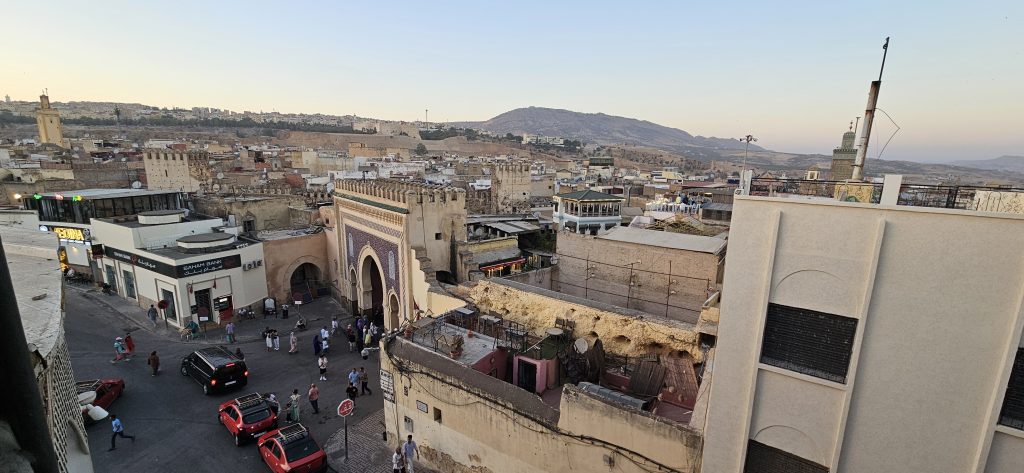
Thursday, we explored this ancient center of Moroccan culture and crafts and also bought some souvenirs (and promptly got ripped off 😂)
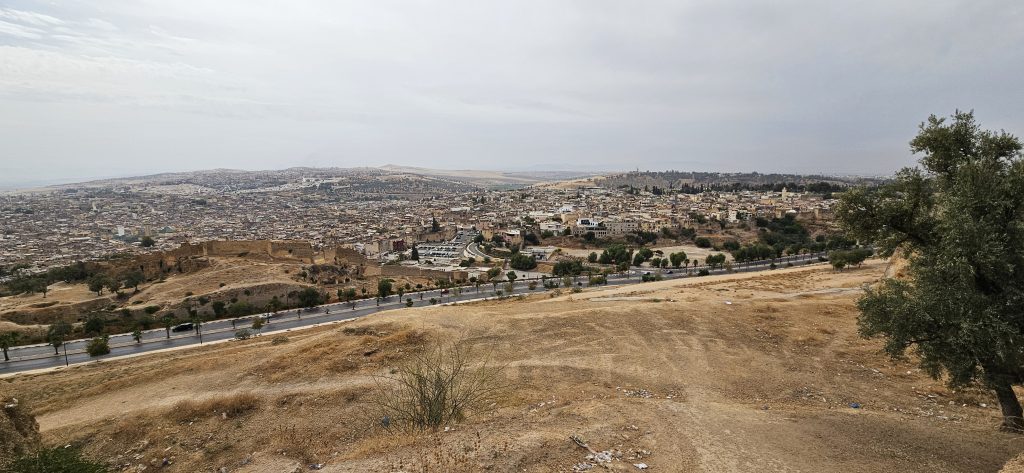
Friday, we hopped back in the car and first drove to a viewing point near the Marinid Tombs to the North of the city. Then we headed south-west into the Atlas mountains towards Ifrane, and then Midelt.
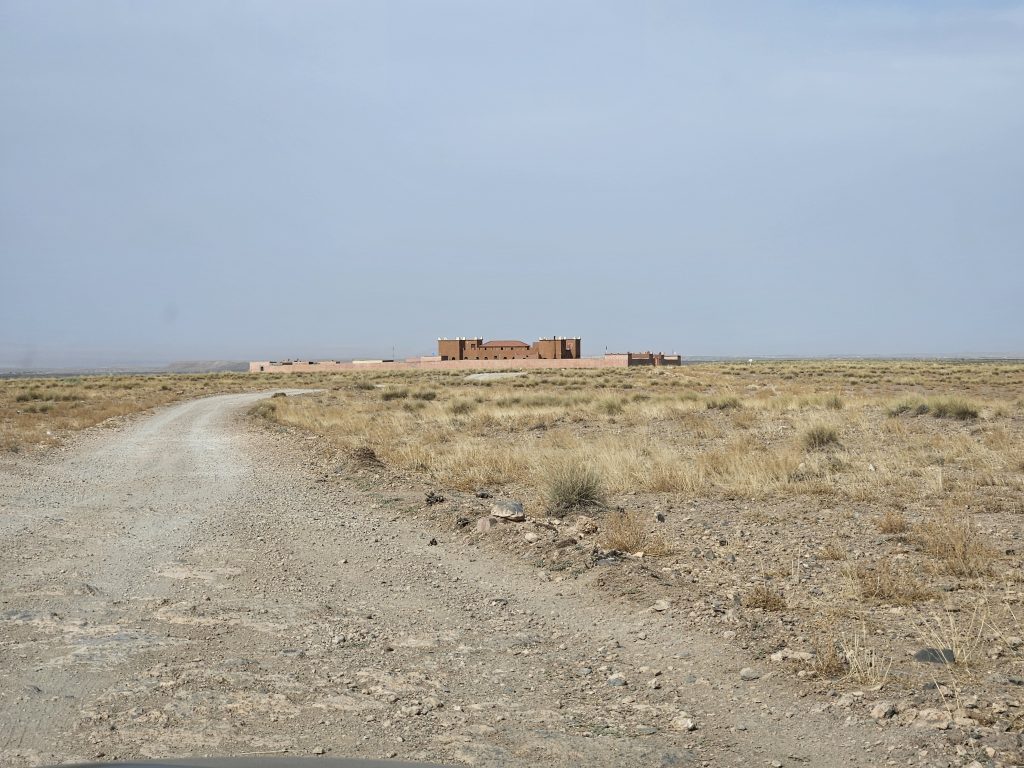
Crossing the Atlas mountains, the pace of life clearly changes – especially once you venture past the fancy resorts of Ifrane and Michlifen. The Middle Atlas gets lots of rain, and so agriculture and forestry are important there. But still there are fewer towns and the roads are much less busy than in the coastal plain. Then one descends into the wind-swept Moulouya valley and after crossing the river, the High Atlas mountains start looming in the distance. We had a room booked at a place called Dar Al Qanass Imane, which was described as a “just a little off of the main road” and it was that! Awesome place, though. Remote, quiet and with a big wall around the property, it’s a great place to get away from hectic city life, and it may also be a great place for surviving the “Zombie Apocalypse”
Saturday we continued up into the High Atlas, across the “Camel Pass” and then down the Ziz valley towards Merzouga.
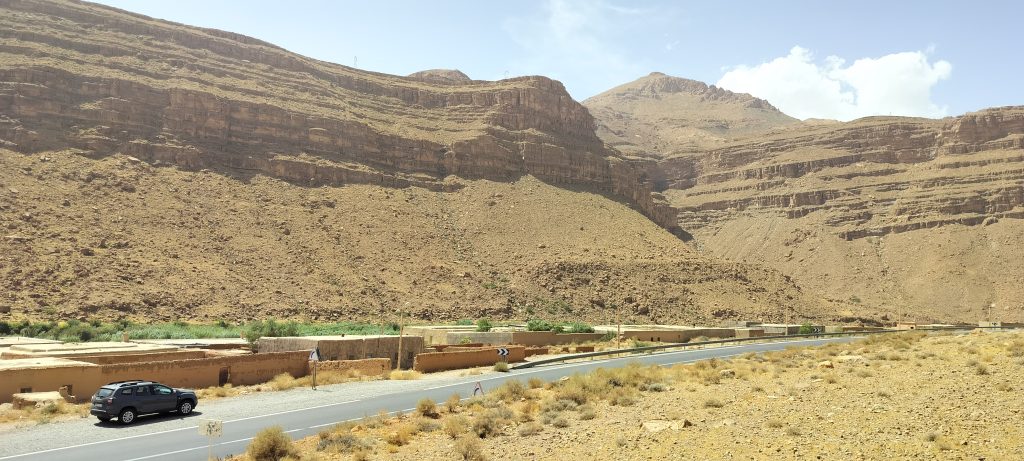
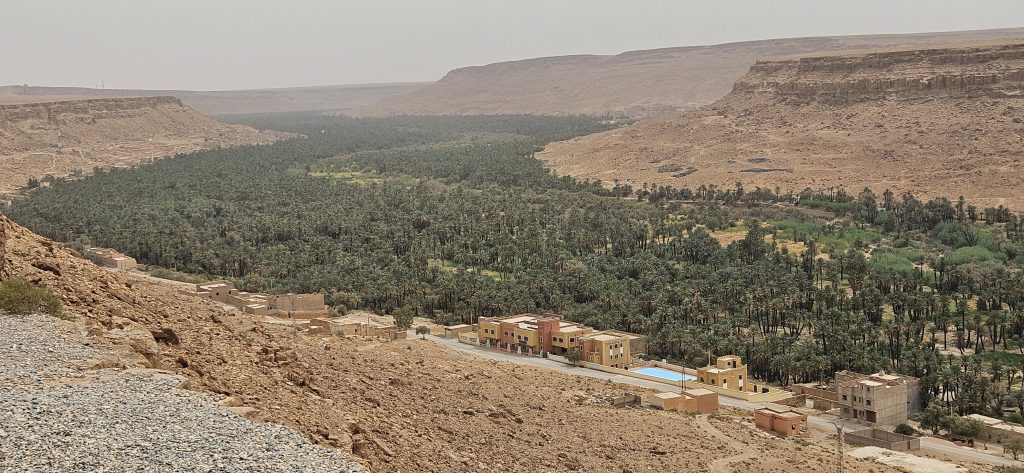
Saturday evening we arrived in Merzouga at the hotel where we parked our car and loaded our stuff into Mustapha’s truck. Then they brought over the camels, and Laura and 4 other tourists climbed on our camels and were guided though the dunes of Erg Chebbi to our desert camp.
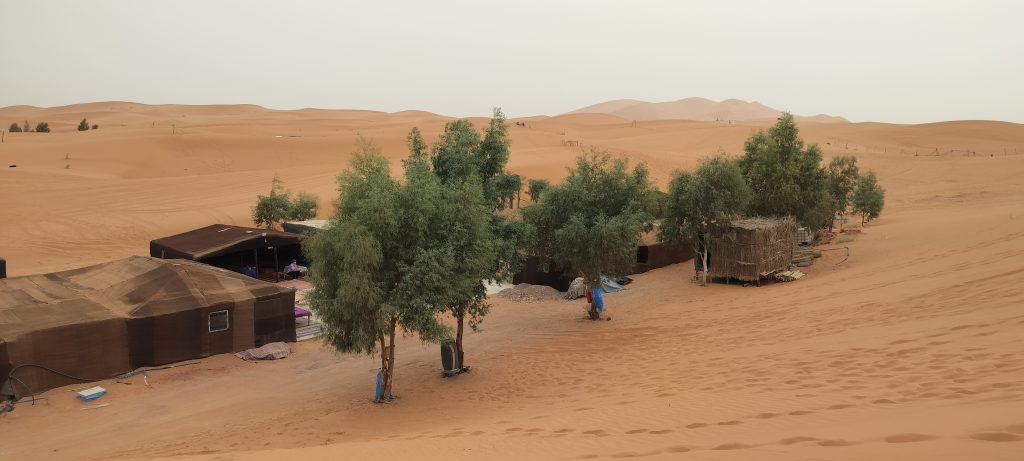
We stayed for 2 nights in the camp and spent Sunday touring the area around Erg Chebbi in a 10-year-old Mitsubishi Pajero with Mustapha and Amir. They showed us a nomad camp and the fossil mines where the locals dig up fossils to sell to tourists.
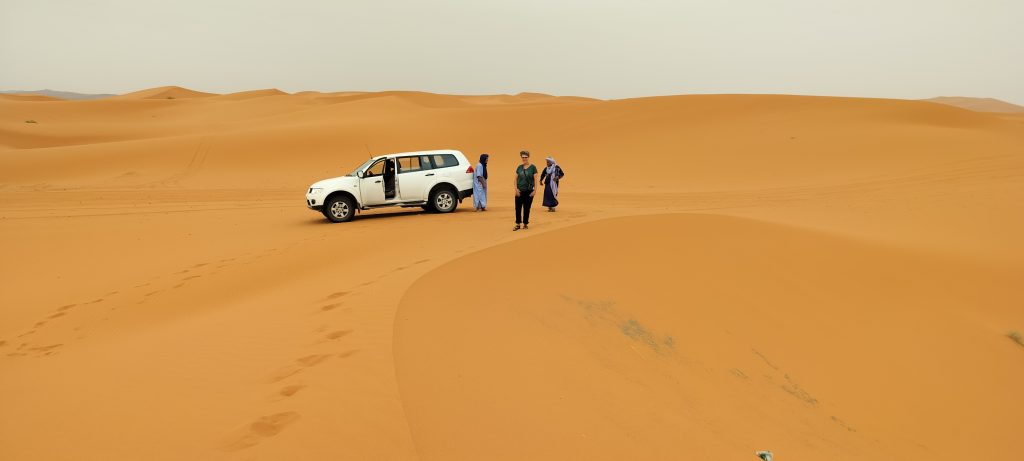
In the evening, there was some Amazigh drumming and singing, and we got to (almost) see the lunar eclipse.
The next morning, we packed our stuff and loaded into Mustafa’s Pajero, then we rode the camels back to Merzouga.
Before leaving Merzouga, we headed into town to see how much this little desert town has changed. Then we drove to Rissani and did a tour of the Ksare there. Leaving Rissani, we headed back up the Ziz valley into the Atlas mountains. We stayed another night in the mountains before driving back to Casablanca on Tuesday. We dropped off the car and got a ride to the airport hotel.
Wednesday morning, we got up at 4:30 AM, took a shuttle to the airport at 5:00 and dove into the chaos, that is Casa airport in the morning. But against all odds, the flight left almost on time and arrived 3 hours later on time at Basel airport.
Morocco in 2025? Fascinating country with a rich history and an interesting culture. Beautiful scenery, excellent infrastructure, and overall still quite affordable. However, the tourism hustle is intense, at times – especially in the city. And traffic – holy shit! Driving in Morocco is intense, and I am not a timid driver. So if you rent a car, make sure you understand what to do in case of an accident … and be sure to have a local SIM card in your phone, so people can call you back! Or maybe just use taxis, busses and trains.
B’slama, habibi!