On September 1, 2025, Laura and I took an Air Arabia flight from Basel/Mulhouse airport to Casablanca, Morocco. From Casa, we drove to Rabat, Tangier, Volubilis and Fes. Then we drove across the Atlas mountains to the desert town of Merzouga where we rode on camels to a camp in the Erg Chebbi in the Sahara desert. After 2 nights in the desert, we drove back across the mountains to Casablanca, where we boarded an early morning flight on Sept. 10 back to Basel.
Read more: Our Moroccan Journey

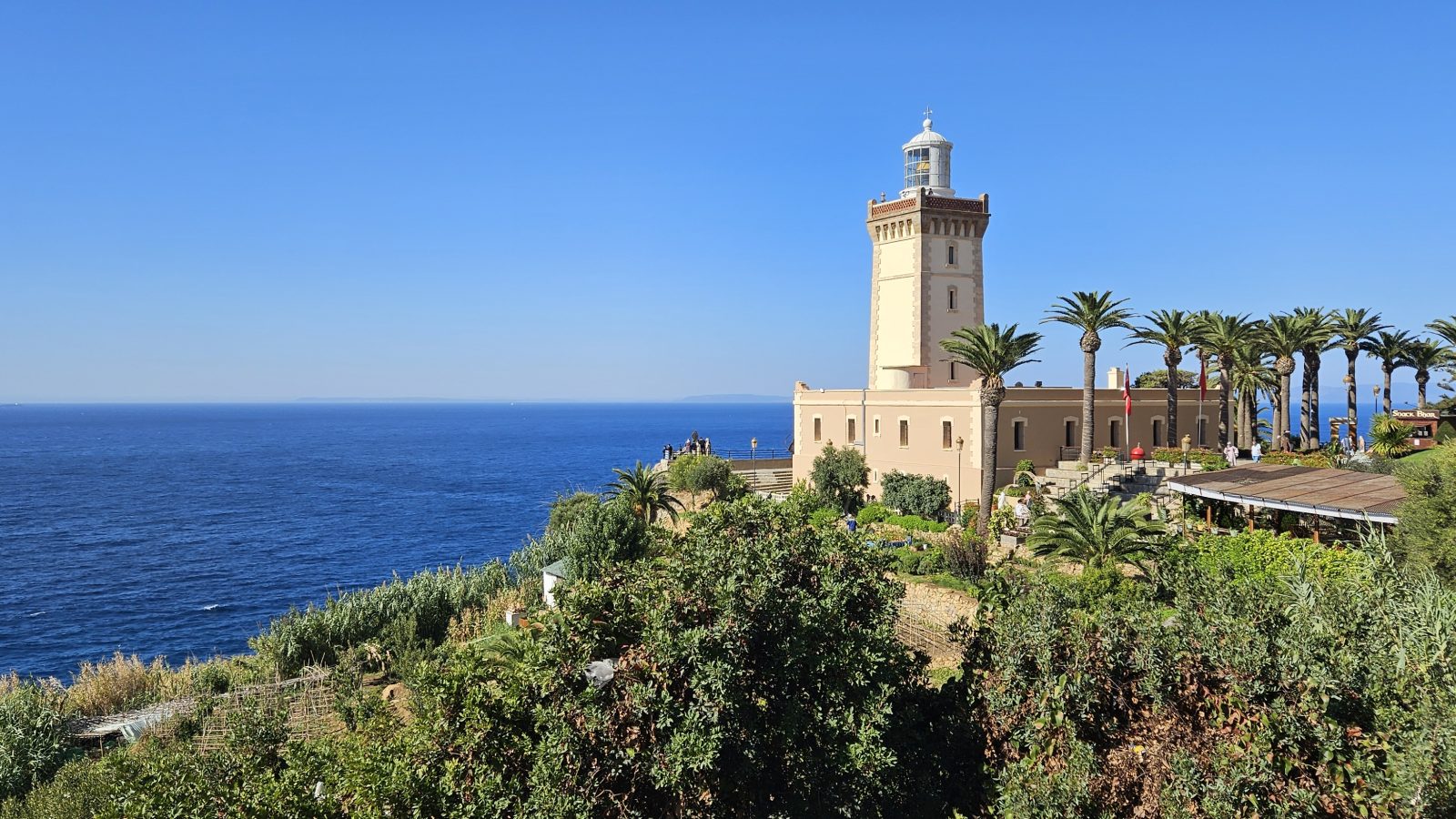
The Cap Spartel lighthouse was built by Sultan Muhammad IV in 1864, and it marks the most north-western point of Africa. On Sept. 2, we drove from Rabat to Tangier and spent a relaxing afternoon exploring the area west of Tangier, including Cap Spartel and the Hercules Cave. From the cape, across the straits of Gibraltar the coast of Spain was clearly visible. To the West, the endless expanse of the Atlantic Ocean stretches to the horizon and to the East ships are passing through the the famous straits into the Mediterranean Sea.

Read more: Cap Spartel

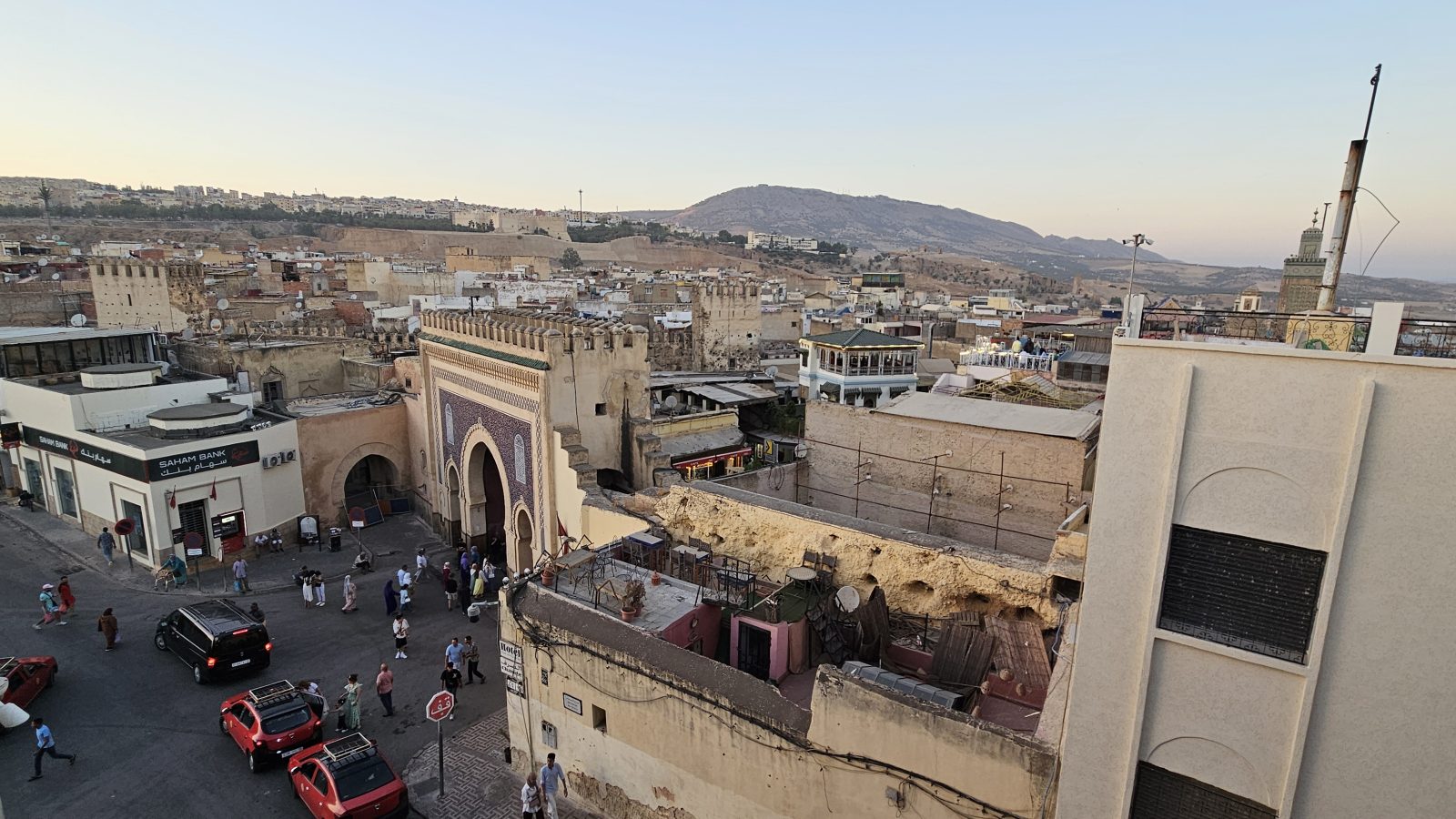
On Sept. 3, we drove to Fès (via Volubilis) and spent the next day in Fès el Bali – the oldest part of the city of Fès dating back over 1200 years. Fès el Bali was founded as the capital of the Idrisid dynasty between 789 and 808 AD. The neighborhood has the Al-Qarawiyyin University at it’s center, which was founded in the year 859 AD, and has been operating as an institution of higher learning continuously since then – longer than any other anywhere.

Read more: Fès el Bali

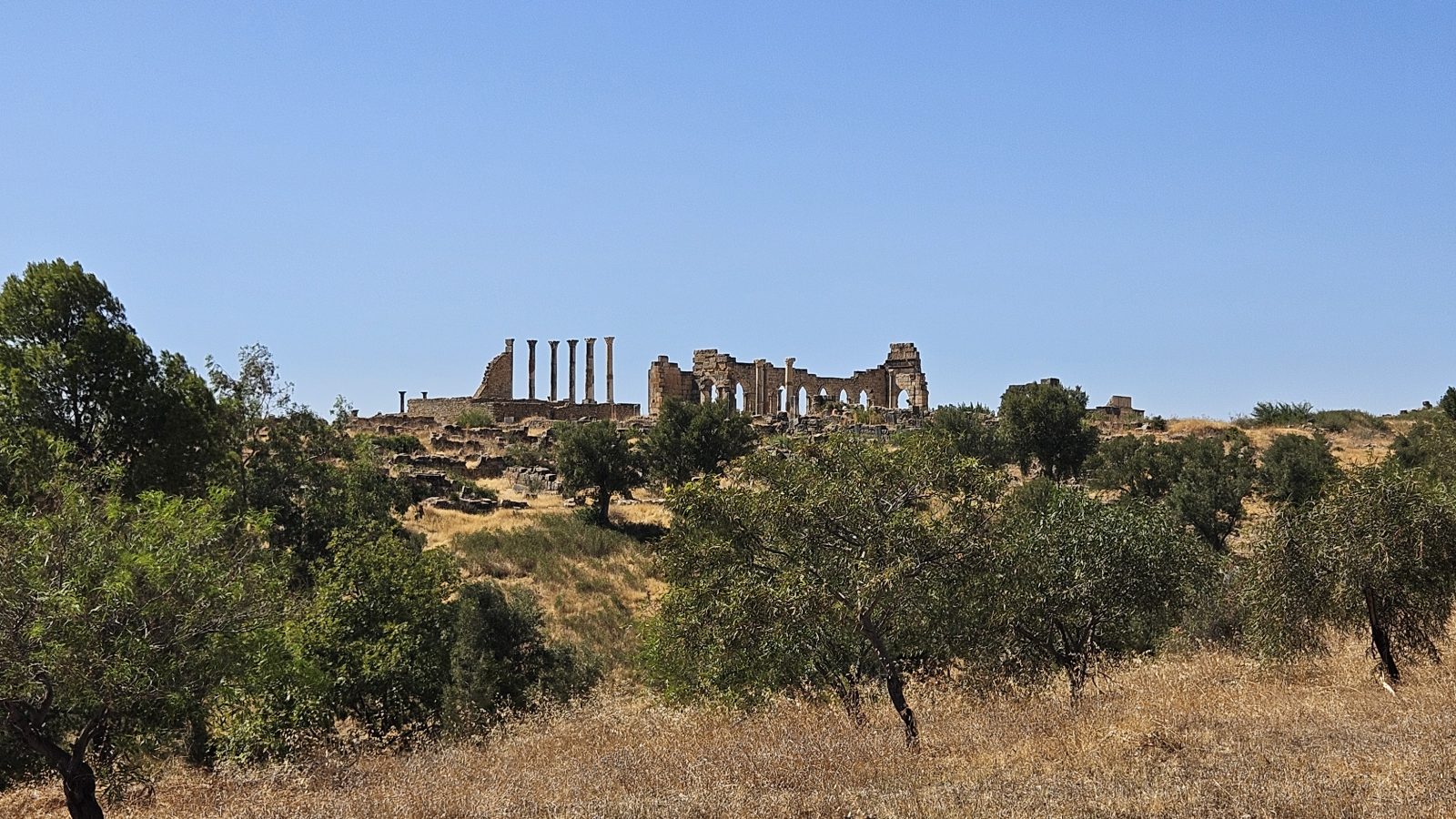
The Basilica – the Roman courthouse

The ruins of Volubilis date back to the 3rd century BCE and it was occupied until the 11 century AD. From 44 to 285 AD it was the bustling capital of the remote Roman province of Mauretania Tingitana.

It was a wealthy town—fertile grain and olive oil-producing lands surrounded it—and its 20,000 Romanised Amazigh inhabitants lived in fancy villas lining broad avenues. Today, the archaeological site is a UNESCO World Heritage Site. (source)

Read more: Volubilis

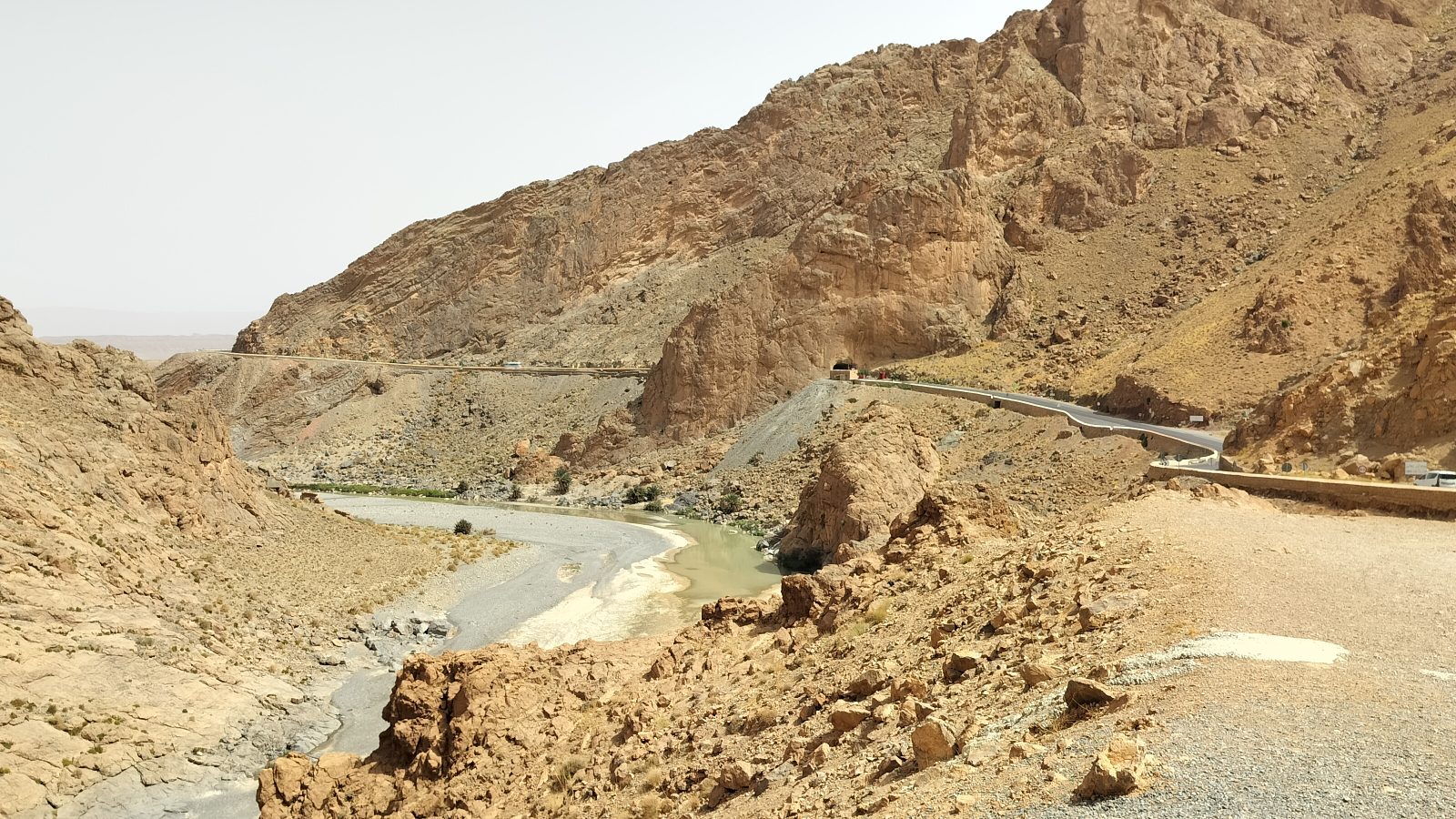
The Atlas Mountains stretch from Tunisia to the southernmost areas of Morocco. They separate the barren, scorching hot plains of the Sahara from the fertile Mediterranean and Atlantic coastal areas in the region. The name of the Atlantic is derived from the Atlas mountains. The range’s highest peak is Toubkal, in central Morocco, with an elevation of 4,167 meters (13,671 ft). The Atlas Mountains are primarily inhabited by Amazigh populations.

Read more: The Atlas Mountains

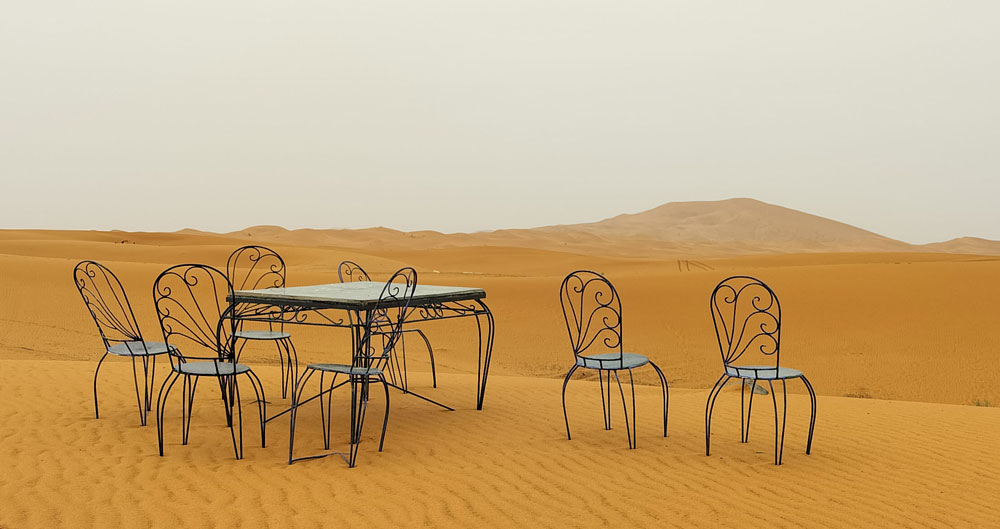
Erg Chebbi is a 20-mile patch of tall sand dunes on the North Western edge of the Sahara, in Morocco, near the Algerian border. Some of the dunes reach heights of 500 feet above the surrounding, flat, rocky desert. The town of Merzouga has become a popular destination for tourists to experience this fascinating landscape. A number of companies offer camel rides across the erg to tent camps nestled between the dunes.

Read more: Erg Chebbi